From Racing to Adventure: Integrated Handlebars for Every Cycling Terrain
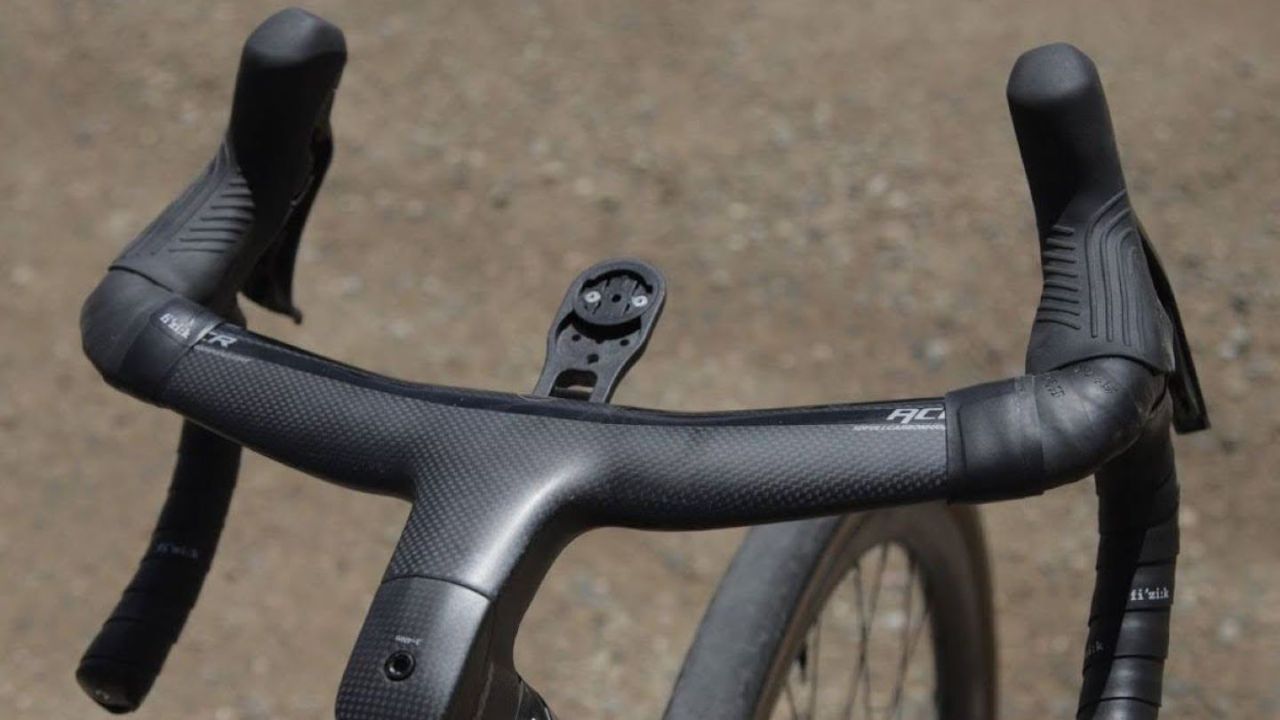
The cycling disciplines have now grown much wider beyond the classical road racing to include gravel exploration, endurance races, and mixed terrains. The equipment needs change as the styles of riding change. The integrated carbon bike handlebar for road and gravel builds is one of the features that is diverse in its application in multiple fields. Integrated handlebars combine the stem and the handlebar into one unit, providing a higher level of performance, comfort, and control over a wide variety of terrain. Manufacturers such as HaideliBikes have perfected such systems to suit the requirements of competitive racers as well as adventure-oriented riders and have become a viable solution to contemporary cycling.
Stability on Mixed Terrain
All road and Gravel cycling present unstable surfaces that require stability and control. The embedded handlebars allow a rigid but still responsive platform, which allows the riders to stay up in the loose gravel, on unequal roads, and on rapidly shifting surfaces. The unified construction reduces flex, and therefore the steering inputs are translated correctly to the front wheel. This type of control is particularly desirable when traversing technical parts or when using speed in traversing rugged areas.
Long-distance Riding Comfort
Comfort is valued among endurance cycling as a sport, especially in times of prolonged periods of riding. The integrated handlebars are designed with the capability to compromise stiffness and vibration damping to alleviate the hand and arm hardships incurred due to rough roads. The high-frequency vibration is absorbed in the carbon fiber building, which enables the rider to remain comfortable without compromising performance. The combination of these features makes integrated handlebars an appropriate choice in both long road races and gravel marathons, as well as in bikepacking adventures.
Practicality and Clean Integration
New integrated handlebars are made functional. The internal cable routing prevents the brake lines and shift lines from coming in contact with dirt, debris, and weather, of particular importance with off-road and adventure riding. A clean cockpit further enhances aerodynamics and minimizes maintenance problems due to open cables. A lot of the integrated systems have mounts that allow cycling computers and lights, among other accessories, and thus riders can customize their rig to fit various riding conditions.
Flexibility in Multiple Disciplines
Integrated handlebars have one of their main strengths in this regard. These systems have been utilized in road, gravel, and endurance bikes, although they were previously used predominantly on high-end racing bikes. Other brands, such as HaideliBikes, provide customization in sizes and geometry suitable to various riding postures, such as aggressive racing geometries and more relaxed adventure-oriented geometries. This flexibility will enable the riders to apply the same essential technology in different cycling fields.
Durability Demanding Conditions
Riding over different surfaces exposes equipment to enormous pressures. These demands are overcome by making the handlebars integrated to resist impacts, fatigue, and long durability, which are highly tested. The carbon fiber construction is of high quality, and thus it is reliable both in a competitive and in a recreational environment. In the case of riders who are on a long ride or on rough surfaces, the performance is not as crucial as the endurance, and thus, integrated handlebars are a reliable option.
Designed for Speed on the Road
Efficiency and aerodynamics are key in road racing. The use of integrated handlebars minimizes the effects of wind resistance by closing any spaces between parts and creating a smooth flow of air over the cockpit. The sleek structure enables the rider to ride at greater velocities using less energy. These aerodynamic advantages can translate to significant benefits for competitive cyclists in a long-distance or high-speed effort. The stiff design of the built-in handlebars also makes the steering very precise, which aids in the confident handling during sprints and descents.
Confidence in Handling
Handling can be depended upon, and confidence is achieved, no matter the terrain. Integrated handlebars provide a consistent steering feel, thereby enabling the riders to control themselves in high-speed scenarios or off-road technical areas. This assurance enables bikers to concentrate on speeding, directions and fun instead of technological constraints. Stable handling is either on the smooth tarmac or on rugged gravel roads as one races through the expanses, making the entire riding experience more enjoyable.
Conclusion
The integrated handlebars have become a practical solution to fill in the gap between the performance of the races and the capability of adventure. They are efficient in aerodynamic performance, stiffness, vibration damping, and clean integration features, which make them viable in a diverse variety of cycling terrain. Careful engineering and robust materials have enabled manufacturers like HaideliBikes to use the integrated handlebars not just in pure competition. These handlebars are suitable for all types of rides since they offer the versatility, comfort, and control any contemporary cyclist requires, regardless of the type of ride they are involved with.