How to Pick a Throw Blanket When You Actually Intend to Keep It for a Long Time
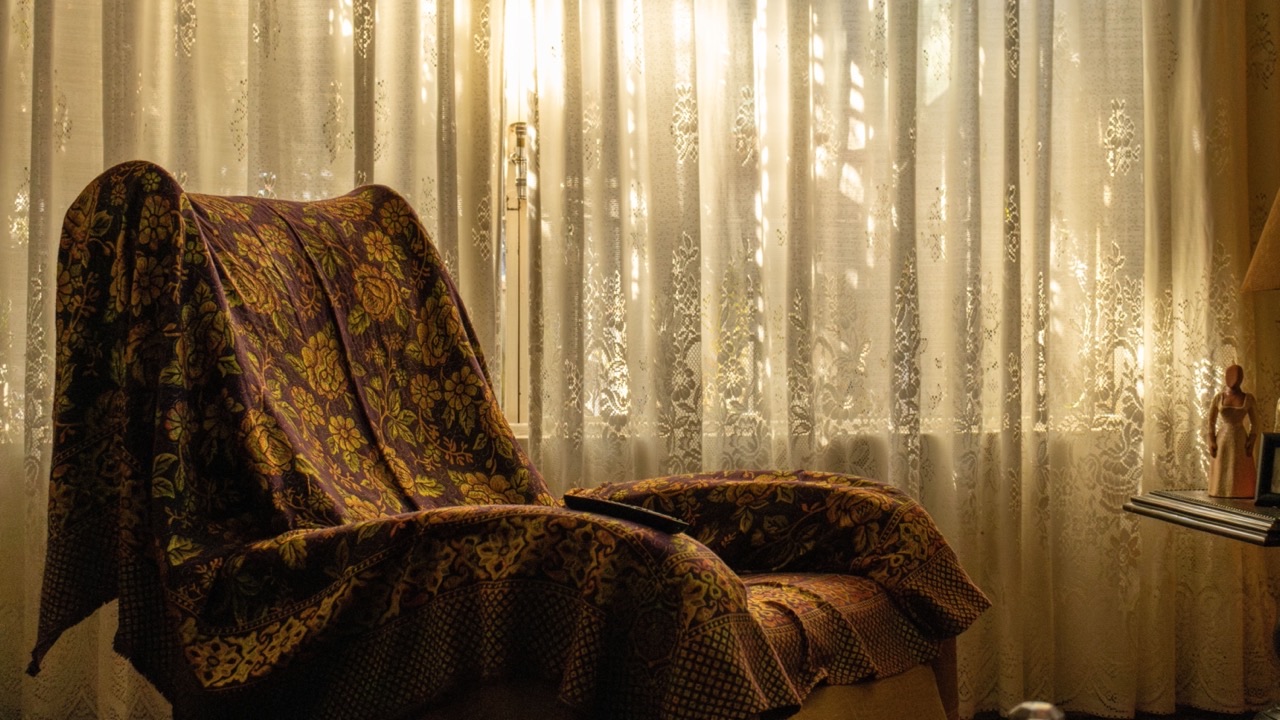
Most advice on buying throw blankets treats it like a seasonal or disposable decision: pick something that looks good in photos, see how it holds up, replace it when it doesn’t. That’s a reasonable approach if you’re buying something for $25. It’s not a reasonable approach if you’re spending $150 or more on something you expect to keep for a decade.
When the intent is longevity, the decision process changes. You’re not picking based on what looks good now — you’re picking based on what will still be worth keeping in ten years, which means evaluating different things than most buying guides suggest.
Start with fiber, not aesthetics
The most common mistake in this category is leading with color or texture rather than material. Color is easy to evaluate in a photo; material is impossible to evaluate without actually knowing what to look for.
The fiber determines how the blanket ages. Cheap acrylic pills, loses its surface texture, and eventually develops an unpleasant synthetic feel. Wool holds its shape better but varies significantly by type and source. Alpaca is softer than most sheep’s wool, naturally hypoallergenic, and holds its luster longer because the fiber structure doesn’t degrade as quickly with washing. Cashmere is the finest option by touch but also the most delicate — it softens with use but requires careful washing and is more susceptible to pilling if the cashmere grade is low.
For a throw blanket you intend to keep long-term, alpaca and cashmere are generally the correct fiber choices, not because they’re expensive but because they actually age well. The difference isn’t just initial softness — it’s that a quality Alpaca & Cashmere throw blanket from a maker that’s transparent about sourcing will feel better at year eight than it did at year one, which is not something you can say about acrylic or low-grade wool.
Understand what “cashmere” and “alpaca” actually mean on a label
Both terms are used loosely, and the difference between a good cashmere throw and a misleading one is large enough to matter.
Cashmere comes from the undercoat of cashmere goats. Grade A cashmere — the finest, longest fibers — is soft immediately and durable over time. Lower-grade cashmere, which is shorter fiber, pills heavily within a few months and loses its softness quickly. The label says cashmere in both cases.
Indicators of quality cashmere: the fiber micron count is specified (under 15.5 microns is high-grade), the country of origin is given (Mongolia and Inner Mongolia produce high-grade cashmere; some cheaper sources do not), and the brand can describe its sourcing. If none of these details appear anywhere, assume the grade is not high.
Alpaca is slightly simpler. Baby alpaca refers to the first shearing — the finest, softest fiber from the animal’s life. It’s significantly softer than standard alpaca and has a visible sheen. Regular alpaca is still good but coarser. A listing that says “alpaca” without “baby” or a micron count is fine but won’t have the same initial softness as a baby alpaca product.
Weight and construction: how it holds together over years
The GSM (grams per square meter) tells you how densely the blanket is made. For a throw used daily — draped on a couch, picked up and folded, washed periodically — you want something in the 250–400 GSM range. Below that, it’s lightweight but less durable; above 400, it’s warm but probably too heavy for casual throw use.
The weave structure affects durability. A tighter weave pills less than a loose one, because fewer fiber ends are exposed to surface friction. A woven alpaca or cashmere throw will generally outlast a knit one, everything else equal, because the structure is more stable. Knit throws have a different aesthetic — softer drape, more texture — but require slightly more care to maintain their shape.
Fringe is worth inspecting if you’re looking at fringed throws specifically. Integral fringe — where the fringe is an extension of the warp threads — is more durable than sewn-on fringe. You can identify it by following the fringe threads back into the body of the blanket: if they disappear into a seam, the fringe is sewn on. If they continue into the weave, it’s integral.
Colorways that will age well
This is a minor point but a real one: colors that look good in 2024 may not look good in 2034. If you’re buying something to keep for a long time, neutral or classic colorways — natural undyed tones, deep navys, forest greens, earthy ochres — are safer long-term choices than colors tied to a particular moment in interior design.
Natural undyed fiber also has a practical advantage: the color is inherent to the fiber rather than introduced by dye, which means it’s genuinely fade-resistant. Alpaca in particular comes in a wide range of natural colors from white through gray to brown and black, and undyed alpaca blankets don’t fade with washing the way dyed ones can over time.
What the brand’s transparency tells you
Makers who produce genuinely good throw blankets tend to be specific about their materials and their process. They name the fiber grade, they name the origin, they describe the construction, and they provide care instructions that reflect an understanding of what the material actually needs.
A listing that says “premium cashmere throw” with no further detail is not the same as one that says “Grade A Inner Mongolian cashmere, 14.5 microns, 280 GSM, hand-washed before finishing.” Both are technically labeled “cashmere.” Only one gives you the information you need to evaluate whether it will hold up.
A note on care as part of the buying decision
Before buying a high-quality throw, make sure the care requirements are ones you’ll actually follow. A cashmere throw that requires hand washing will deteriorate quickly if you put it through a standard machine cycle — the fiber is genuinely more fragile than wool, and machine washing without a dedicated delicate cycle causes felting and pilling at a rate that undoes the quality of the fiber.
If you’re not willing to hand wash occasionally or use a wool cycle with cold water and a fiber-appropriate detergent, alpaca may be a better choice: it’s slightly more forgiving in the wash while still offering comparable softness and longevity. Knowing this before you buy prevents the situation where a high-quality purchase ends up failing because the maintenance was mismatched to your habits.
The long-view calculation
A $300 alpaca or cashmere throw that lasts 15 years and ages well costs $20 per year. A $60 blanket that needs replacing every three years costs the same amount annually, delivers a worse experience throughout, and generates five times as much waste over the same period.
The case for buying right the first time isn’t about spending more — it’s about spending once and not spending again. That’s only possible with the right fiber, the right construction, and enough transparency from the maker to know what you’re actually getting.