The Insulation Gap: Why Two Can Coolers That Look the Same Can Perform Very Differently
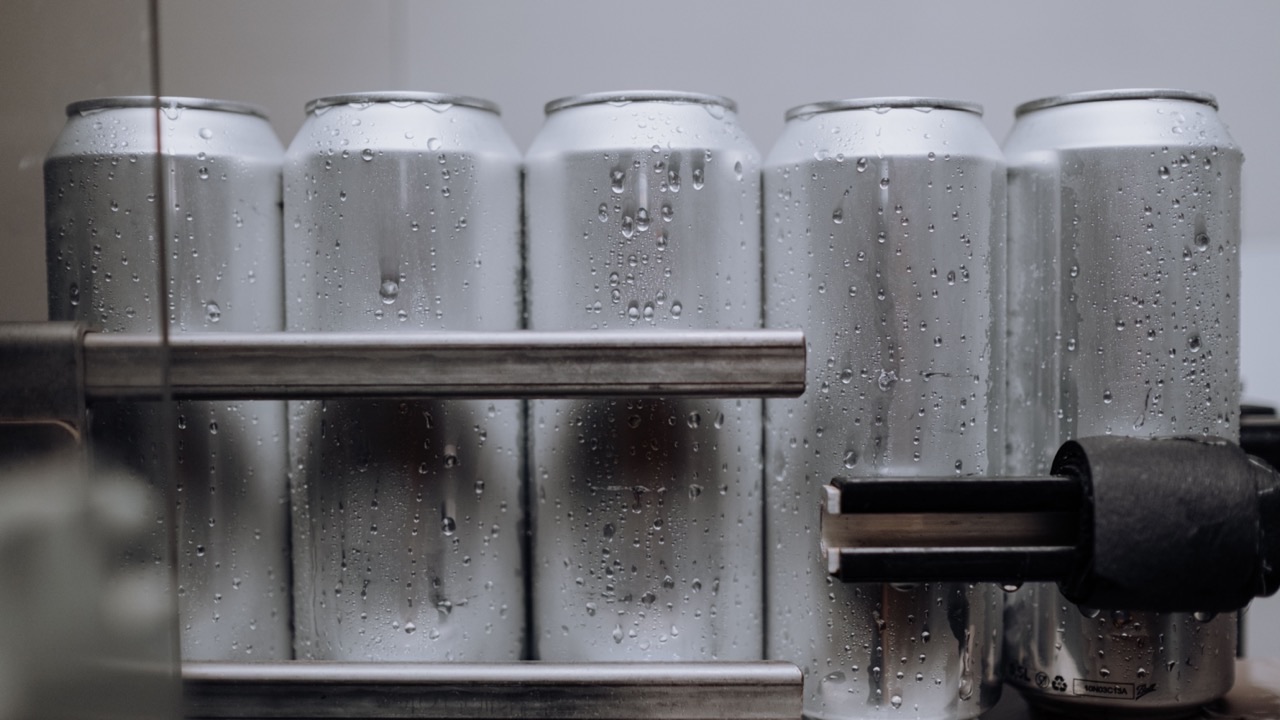
Put two can coolers side by side on a table. Same diameter, same height, same general construction. One costs a dollar more than the other. You put a cold can in each, leave them in the sun for an hour, and crack both open. One drink is still cold. The other isn’t. The difference isn’t visible from the outside, and it wasn’t in the product description either.
This is the practical reality of the can cooler category: the factors that determine whether a cooler actually works are almost entirely hidden inside the product, and they don’t show up in the materials list or the dimensions.
How insulation actually works in a can cooler
The basic mechanism is simple. The foam or material surrounding the can slows heat transfer from the environment into the beverage. How well it does this depends on three things: the thermal conductivity of the insulating material, the thickness of that material, and how well the structure maintains contact with the can surface.
Open-cell foam — the type used in basic promotional coolers — allows some air movement through the material. Air circulation carries heat. A cooler built with open-cell foam is better than nothing, but it’s not performing close to the theoretical maximum for that material thickness. Closed-cell foam eliminates the air channels, forcing heat to conduct through the foam matrix itself rather than convect through air pockets. The same physical thickness of closed-cell foam provides meaningfully better insulation than open-cell foam.
The difference in material cost between open-cell and closed-cell foam is modest. The difference in product cost, when a manufacturer is producing at volume, is small enough that it can easily be absorbed into margin rather than passed on to the buyer. This is why products at similar price points can perform very differently — the insulation choice is a quiet decision that doesn’t change the catalog photo.
Wall thickness: where the math matters
Beyond material type, thickness determines how much insulation is present. There’s a straightforward relationship: more foam between the can and the outside means slower heat transfer. A 6mm wall of closed-cell foam outperforms a 3mm wall of the same material. A 10mm wall is better still.
The constraint is form factor. A thicker wall means a larger outer diameter for the same can size. At some point, a can cooler becomes difficult to hold with one hand, and the practical utility declines. Most well-designed can coolers land in the 4–8mm range for the insulating wall, with the upper end reserved for products specifically marketed on thermal performance rather than compactness.
The base is often the weakest point in a can cooler’s thermal design. Heat conducts upward from warm surfaces into the bottom of the can when the cooler sits on a table in the sun. Products that treat the base as an afterthought — thin foam or absent insulation at the bottom — lose the thermal battle from below even if the walls are well-constructed. A simple test is to press the bottom of a can cooler and feel the resistance: a well-insulated base has the same or greater resistance than the walls.
The fit problem and why it matters more than it should
An insulated sleeve only works if it maintains contact with the can. A loose-fitting cooler creates an air gap between the sleeve and the can surface, and that gap acts as a thermal layer — but one that allows convection, which transfers heat faster than conduction through foam. A cooler that fits snugly outperforms one with the same foam specification but a looser fit.
This matters because can dimensions aren’t perfectly standardized across all beverage brands. Standard 12oz aluminum cans vary slightly by manufacturer — not enough to be visible, but enough that a cooler calibrated to the tighter end of the range will fit all cans snugly while one calibrated to the looser end will fit some cans loosely. The difference is fractions of a millimeter, but in thermal terms it’s consequential.
For anyone buying can coolers in quantity — promotional merchandise, event supplies, branded giveaways — testing with the specific cans the coolers will be used with is worth doing before committing to a large order. A sample test costs nothing and reveals fit quality in a way that product specifications don’t.
What neoprene does that other materials don’t
Neoprene is the material of choice for performance can coolers because it combines good thermal insulation properties with stretch. The stretch is what enables a tight, conforming fit around the can without requiring precise dimensional calibration. A neoprene cooler that’s nominally designed for a 12oz can will conform snugly to variations in can diameter because the material follows the surface.
Neoprene also handles moisture well. Condensation from a cold can soaks into the sleeve material without degrading insulation performance significantly, and neoprene dries quickly. Foam materials vary in how they handle moisture — some absorb it and retain it, which adds weight and can affect insulation over time if the cooler doesn’t dry completely between uses.
The limitation of neoprene is print quality. Logos and graphics applied to neoprene need to accommodate the material’s stretch — a design that looks crisp on a flat surface needs to be executed with the right technique to maintain quality when the material is wrapped around a can.
What to ask when comparing suppliers
The questions that surface insulation quality quickly are specific: what type of foam, what cell structure, what wall thickness, and how is the base constructed? A supplier who can answer these with specific numbers is describing a product they understand and control. A supplier who responds to these questions with general quality language is describing a product by its appearance rather than its performance.
For wholesale can cooler orders where the product will carry a brand, the insulation performance is part of the brand impression — a cooler that doesn’t keep drinks cold is remembered as a product that didn’t work, not as a promotional item that looked good on the table. Getting the thermal spec right before placing volume orders is the part of the sourcing process that pays off every time someone opens a cold drink.