How to Tell If a Developer's Show Unit Actually Represents What Buyers Will Receive
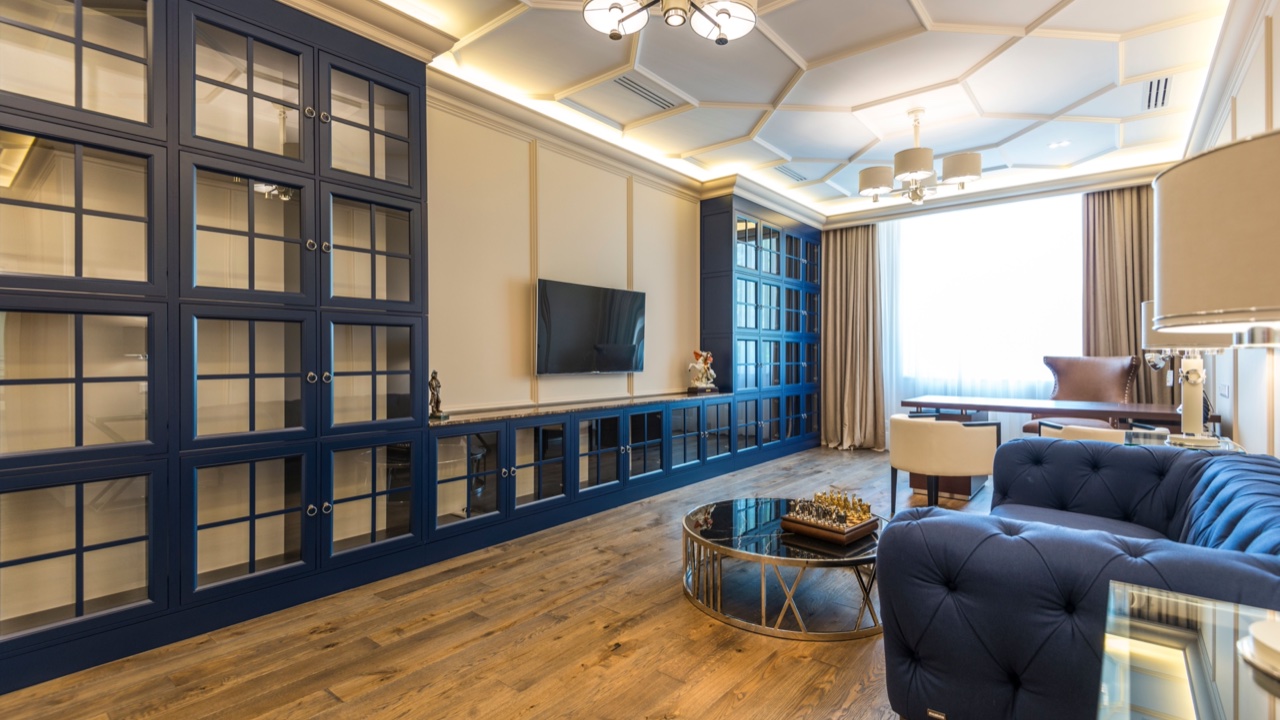
Show units are designed to sell. That’s not a criticism — it’s simply what they’re for. The lighting is tuned to make surfaces look richer than they are. The furniture is scaled to make rooms feel larger. The finishes are the top-specification options, presented as if they’re standard. Buyers walk through a show unit and make decisions based on what they see, often without realizing that what they’re seeing is a curated performance rather than a representative sample of what they’ll actually receive.
The gap between show unit and delivered unit is one of the more reliable sources of buyer disappointment in residential development. Understanding how to evaluate that gap — before committing — requires knowing what to look at and what questions to ask.
The Finish Substitution Problem
The most common area where show units mislead is finish quality. Developers specify premium materials for the show unit — higher-grade board substrates, more refined surface finishes, better hardware — and specify lower grades for the production units. The visual difference is often subtle enough to be deniable: the color is the same, the profile is the same, the overall look is similar. But the tactile quality is different, the durability is different, and in three or four years, the wear patterns will be very different.
This isn’t always intentional deception. Development economics are real: a show unit is a marketing investment, production units are a cost. The material decisions that get made as a project moves from design to construction often compress the specification without anyone explicitly deciding to mislead buyers.
The way to evaluate this risk is to ask for the specification document — not a brochure, but an actual materials spec that lists board grades, finish systems, and hardware brands by manufacturer and model. Show unit specifications and production unit specifications should be the same document. If they’re different documents, or if the developer can’t produce a production specification that matches what’s in the show unit, that’s informative.
Cabinet Hardware as a Leading Indicator
Hardware is one of the clearest places where the gap between show unit and delivered unit shows up, partly because it’s easy to downgrade without obvious visual change and partly because the quality difference is tactile rather than visual.
In the show unit, drawers close smoothly and quietly. Doors feel solid and their hinges hold them perfectly in position. This is consistent with both good hardware and new budget hardware — both feel fine when they’re new. The difference emerges over time, which buyers in a show unit can’t evaluate.
Ask specifically which hardware brands are specified for production units. Established hardware manufacturers are typically named in specification documents. Vague descriptions — “soft-close hardware,” “premium fittings” — without brand names usually indicate budget sourcing. The cost difference between adequate and good hardware at the whole-unit scale is relatively small, but developers under margin pressure cut it because buyers rarely ask about it.
If the developer can name the hardware brand specified for production, it takes thirty seconds to look it up and understand what tier of product it represents. If they can’t name it, treat that as an answer.
The Lighting Effect
Show units use professional lighting to maximum effect. Under-cabinet lighting in the kitchen makes surfaces glow. Recessed ceiling lighting is positioned to create depth and warmth. The overall effect is more hotel lobby than typical apartment, and it does substantial work in making the cabinets look better than they would under standard residential lighting.
The relevant check is to ask what the standard lighting specification is for production units — not what can be upgraded to, but what is included. Then mentally subtract the show unit lighting from what you’re seeing and evaluate the surfaces under more neutral conditions.
Better yet, ask to visit a completed production unit from a previous phase of the same development, or a different project from the same developer. Show units represent aspiration. Completed units represent execution.
What Whole-House Specification Consistency Looks Like
For buyers evaluating developments where the fit-out includes kitchen, wardrobes, bathrooms, and built-in storage across multiple rooms — a whole-house scope — the consistency question applies across all categories simultaneously.
A developer who has procured all of these from a single manufacturer with unified specifications has a fundamentally simpler quality control problem than one who has assembled the fit-out from multiple suppliers. With a single manufacturer, there is one specification document, one production standard, one accountability relationship. Variation between what was shown and what was delivered is a single conversation with one party.
With multi-supplier fit-outs, each category has its own specification, its own production standard, and its own supplier relationship. Variation between show unit and delivered unit can have different causes in different rooms, and the developer’s leverage to address any specific issue is divided across multiple contracts.
When evaluating a development with a whole-house fit-out scope, understanding whether the fit-out came from a unified supplier or was assembled from multiple sources is relevant to estimating how consistent the delivered product will be — and how straightforward any remediation will be if something doesn’t match the show unit.
For context on what unified whole-house supply looks like from a manufacturer’s perspective, whole house customization solutions from an established producer offers a reference point for what specification consistency and single-source accountability look like in practice.
The Questions Worth Asking Before Signing
The show unit visit is the moment of maximum leverage. Once the contract is signed, the ability to negotiate over specification details diminishes substantially. The questions worth asking during or immediately after the show unit visit:
Can you provide the production specification document listing materials, board grades, and hardware brands for each category? Is that specification the same as what’s in the show unit, and if not, what differs? Can I visit a completed unit from a previous project or earlier phase? What is the process if delivered finishes differ materially from what’s shown here?
Developers who have nothing to hide answer these questions directly. The answers that come back — or don’t — tell you more about what you’ll actually receive than any amount of time spent in the show unit itself.